As temperatures continue to rise during the summer season, the risk of heatstroke and heat-related illnesses increases rapidly. Excessive heat exposure can affect people of all ages, especially children, elderly individuals, outdoor workers, and people with existing health conditions.
Ignoring early symptoms of heatstroke can become dangerous and may even lead to serious medical emergencies. Understanding the warning signs and taking preventive measures can help protect your health during extreme heat.
What Is Heatstroke?
Heatstroke is a severe heat-related condition that occurs when the body temperature rises above normal levels and the body fails to cool itself properly. It usually happens after prolonged exposure to high temperatures, dehydration, or excessive physical activity in hot weather.
Heatstroke requires immediate attention because it can affect the brain, muscles, heart, and nervous system.
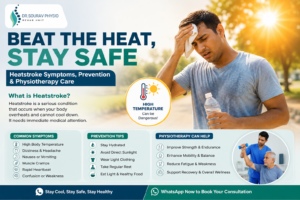
Common Symptoms of Heatstroke
Some early signs of heatstroke include:
- High body temperature
- Excessive sweating or dry hot skin
- Dizziness or fainting
- Severe headache
- Muscle cramps
- Nausea or vomiting
- Rapid heartbeat
- Weakness or confusion
- Difficulty walking or balancing
- Breathing discomfort
If symptoms become severe, emergency medical care may be required.
Who Is at Higher Risk?
Certain groups are more vulnerable to heatstroke during summer:
Elderly People
Older adults often experience difficulty regulating body temperature, increasing the risk of dehydration and heat exhaustion.
Children
Children lose fluids quickly and may not recognize early signs of heat stress.
Outdoor Workers
People working in direct sunlight for long hours are more likely to suffer from heat-related problems.
Patients with Neurological or Mobility Problems
Individuals recovering from stroke, Parkinson’s disease, paralysis, or other neurological conditions may struggle with temperature regulation and dehydration.
How to Prevent Heatstroke
Stay Hydrated
Drink plenty of water throughout the day, even if you do not feel thirsty.
Avoid Direct Sun Exposure
Try to avoid outdoor activities during peak afternoon heat.
Wear Light Clothing
Loose, breathable cotton clothes help maintain body temperature.
Take Regular Rest
If working outdoors, take frequent breaks in shaded or cool areas.
Maintain Proper Nutrition
Eat light meals and include fruits and fluids to prevent dehydration.
Avoid Excessive Physical Strain
Heavy exercise during extreme heat can increase body stress and fatigue.
How Physiotherapy Helps During Summer Fatigue & Weakness
Summer heat can worsen muscle fatigue, weakness, joint stiffness, balance problems, and mobility issues—especially in elderly and neurological patients.
Professional physiotherapy helps improve:
- Muscle strength
- Balance and coordination
- Walking ability
- Energy efficiency during movement
- Recovery after weakness or dehydration
Patients recovering from stroke, paralysis, or prolonged illness often require guided rehabilitation during summer to maintain mobility safely.
When Should You Consult a Doctor?
Seek medical attention immediately if someone experiences:
- Loss of consciousness
- Severe confusion
- Persistent vomiting
- Difficulty breathing
- High fever with weakness
- Sudden inability to walk properly
Early diagnosis and proper care can prevent complications.
Final Thoughts
Heatstroke is a serious summer health concern that should never be ignored. Staying hydrated, avoiding excessive heat exposure, and monitoring early symptoms can help prevent complications.
If you or your family member experiences weakness, balance issues, muscle fatigue, or mobility problems during summer, professional medical and physiotherapy guidance can support safer recovery and overall wellness.